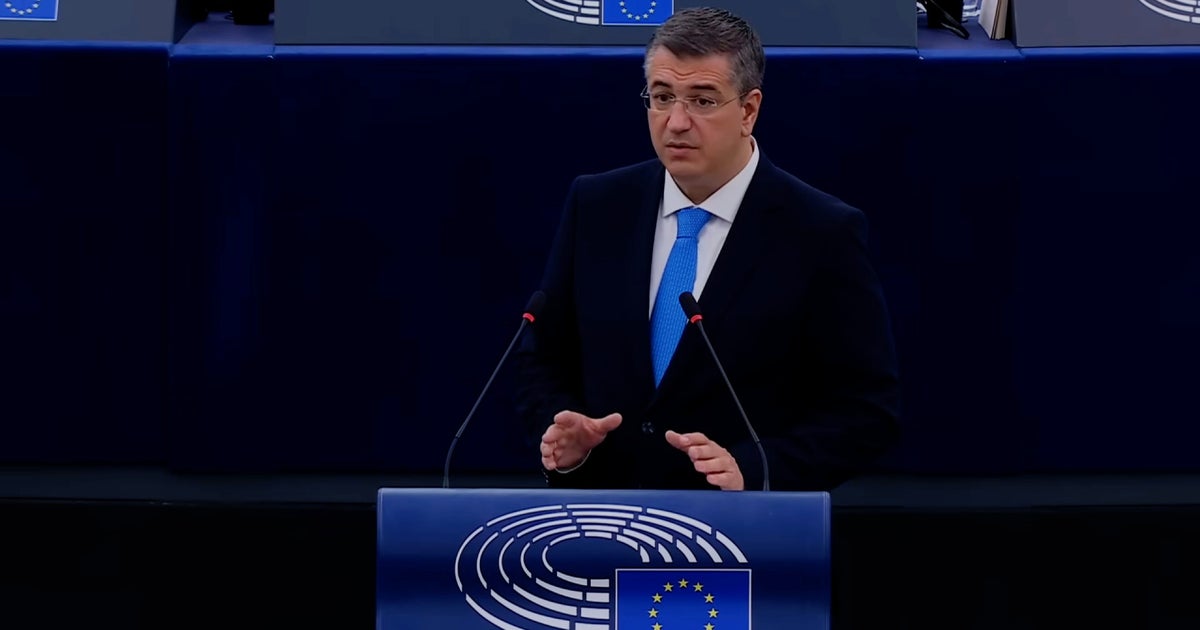
Following a public hearing at the European Parliament in Brussels last month, European politicians have debated the Stop Killing Games campaign’s petition to put more consumer protections around online game server shutdowns into law again today, May 21st. This latest debate took place during plenary session of the Eurpean Parliament in the French city of Strasbourg.
As is the norm, lots of different politicians took turns putting forth different views on the issue and what kind of action might be needed in response to it. A representative of the European Commission also spoke, promising that a reply to the petition that the body are currently putting together will be forthcoming “before the summer”.
The debate session, which you can watch above via Stop Killing Games’ YouTube channel, lasted about an hour. The campaigners have pulled together quotes from some of the contributions MEPs who support Stop Killing Games’ call for publishers to be legally required to put concrete end-of-life plans in place for games when they shut servers down. These remarks include MEP Catarina Viera uttering the immortal words: “We’ve also sometimes waited many years for great European laws to come, I just hope we don’t have to wait as long as we’ve been waiting for GTA 6 to see a proposal from the commission”.
Say what you want about the various politicians across the world who’ve participated in debates triggered by Stop Killing Games’ efforts, they do revel quite charmingly in the chance to name-drop video games. Anyway, Viera was responding to the European Commission’s representative at the debate, commissioner Apostolos Tzitzikostas, outlining that the body aren’t quite ready to issue their formal reply to Stop Killing Games’ petition quite yet.
“We are not yet in a position to issue detailed comments on this initiative,” he said fairly early in the debate, continuing as follows:
Nevertheless, I would like to highlight the importance of fair and transparent conditions. As European consumers, gamers should be entitled to enjoy the digital services that they have paid for as provided in their contract and in accordance with their reasonable expectations. We also agree that the European video games industry stands to gain from innovating and adapting business models in a way that meets consumer expectations. At the same time, we must highlight the complexity of the issue at stake. As part of our assessment, we will also examine how existing rules apply and whether they would require further clarifications. So, I trust that this debate will address the various facets of the problem and further develop some of the arguments put forward at the April 16th hearing in the European Parliament. The commission that will then finalise its reply in the form of a communication to be presented before the summer.
That last bit has gotten the campaigners’ attention, with SKG organiser Moritz Katzner suggesting Tzitzikostas’ use of the word “communication” could potentially hint at the response not including the introduction or promise of new laws along the lines the group are seeking. “That is something we have been expecting since the Euractiv leak last year, and it is exactly why we have prepared and diversified our strategy: the POG Act, the legal case, work in more countries, pressure through Parliament, and national-level routes as well,” Katzner wrote on Reddit. “The goal is simple: make sure SKG can still become reality, with or without the Commission.”
Judging by Tzitzikostas’ promise of a reply before the summer, at least the wait for the response shouldn’t last too much longer.


