Having reached the point of making their case to the European parliament, the Stop Killing Games‘s organisers are having to think about keeping their campaign going in the long-term. For example, they’re setting up set up NGOs to advocate on the issue of server shutdowns rendering online-only games impossible to play.
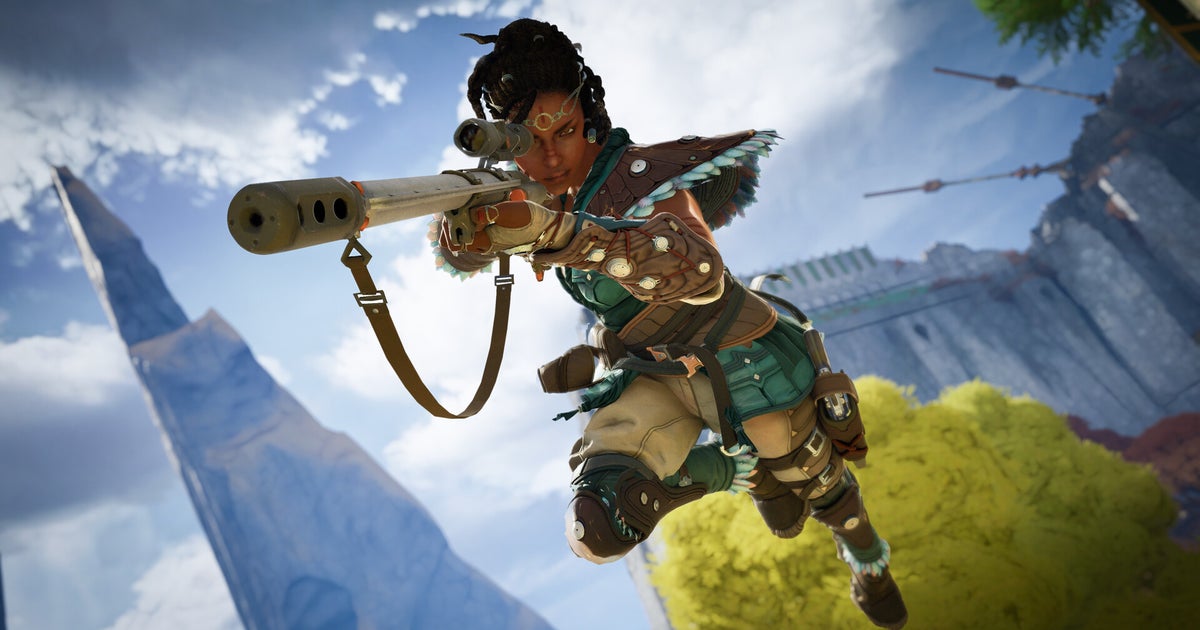
Ironically, though, one of the factors the group see as helping ensure their efforts don’t end up fading into background noise is the depressing regularity with which games like Highguard are dying in a fashion that’s difficult to ignore.
Speaking to our network mates at Europeanvideogamer, Josh ‘Strife‘ Hayes – a YouTuber who’s become one of the campaign’s public-facing advocates – acknowledged the irony of these high-profile shutdowns helping fuel Stop Killing Games’ efforts to ensure companies can’t pull the rug in a similar manner going forwards.
“I’ve not played Highguard,” Hayes said. “I don’t need to play Highguard to not want it to die. Someone out there loves Highguard. There is value there: music, narrative, environmental design…the idea that a developer can pour so much time into something, and for it to end up as someone’s favourite game, just for that person to be told it’s going away forever and they can never play it again. That sucks. It really sucks.”
It’s that ripping open of an emotional wound and grounding of what Stop Killing Games are campaigning against in reality, rather than it just being a rare occurrence, a hypothetical worst case scenario, or something that only happens to older games now out of the limelight that can turn players who might otherwise not care much onto the group’s efforts. “The biggest benefit that Stop Killing Game has in terms of remaining in the cultural zeitgeist is that games keep dying,” Hayes put it. “The thing we are trying to stop keeps happening. Every time it happens, someone’s favourite game is going offline forever. Someone is losing their favourite piece of art, and someone will say to that person ‘I wish we could Stop Killing Games’.”
Translating that sentiment into grassroots action is another matter, but in a world where people’s attentions are constantly being pulled in different directions, you can see why simply having fresh cases they can point to when trying to get new folks on-side is something the campaigners begrudgingly view as one of the very few silver linings to come out of situations like Highguard’s. It’s one thing to see news that a near decade-old racing game‘s being taken offline and decide to dedicate time to emailing politicians, but shooters like Wildlight’s horse-infused base defender or Sony’s Concord being dragged behind the woodshed so quickly some folks might feasibly miss out on giving them a go at all is perversely the most persuasive advertising Stop Killing Games could hope for.
It also can’t hurt the campaigners’ efforts to get EU politicians to see things their way, a tough task the group are now facing down by attempting to gather as much bipartisan support as possible. That comes with seeming benign to the whole spectrum of views, arguably at the risk of losing the sort of tangible conviction or belief that serves as the bedrock of campaigns that do adopt a firm left or right wing stance. So, having this fresh and raw emotion to tap into seems very useful if you look at the campaign through a cynical or politically pragmatic lens.


