Minecraft villagers, like many mobs, are capable of breeding and increasing their group for the betterment of the village, but they need a few things first.

Villagers operate on two main factors to breed: a “willingness” stat and unclaimed beds. Willingness is influenced by components like food, safety, and the state of other villagers and their homes.
As long as villagers are willing and have enough open beds available, they can breed. However, another determinant is the unseen census, which they take on occasion to ensure that breeding is possible.
Minecraft: Food needed to breed villagers
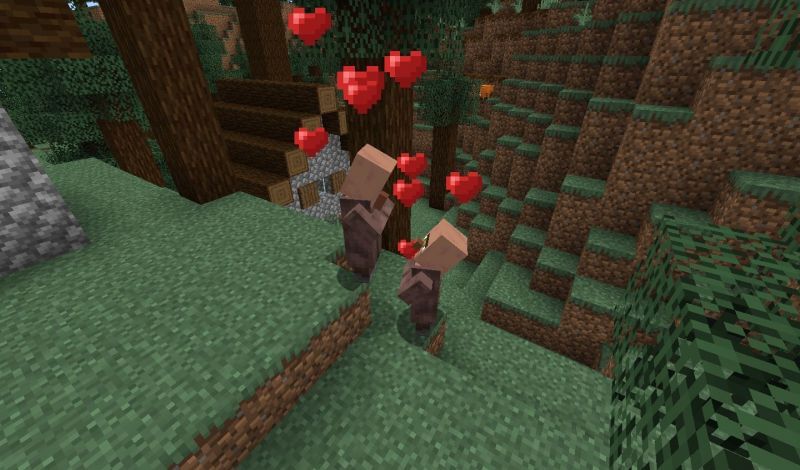
Players can also throw food like carrots, potatoes, and beetroots at villagers to help encourage them. However, if mob griefing is disabled then villagers won’t pick those food items or break crop blocks, both of which are necessary for breeding.
The upside to the food required by villagers is that it’s usually grown by themselves. Minecraft players can simply take some of the fully-grown crops that villagers possess and grow additional farming plots.
Since it doesn’t take a ton of food to breed villagers, making a large enough farming area can ensure that they can continue breeding whenever there are beds available.
It is also important to remember that there are certain actions that hinder breeding for Minecraft villagers. These acts include killing villagers or destroying their homes.
Doing so places them in a “mourning” state where they will be incapable of breeding for some time. During their mourning state, their trading prices will also be raised, so being nice to villagers is preferred.
Players must take note of these factors if they to increase the number of inhabitants in their village.